What Are the Main Reasons the 1950s and 1960s Define Classic Vegas?
When people talk about classic Las Vegas, they usually picture the dazzling neon lights, swanky showrooms, and the unmistakable hum of excitement on the Strip during the 1950s and 1960s. This era set the identity of what many now call the mid century Strip identity. But what exactly made those two decades so definitive for Las Vegas—and why should we be careful about how we remember them?
In this post, we'll cut through some of the usual haze and highlight the main reasons why the postwar resort boom on the Strip became iconic. We'll also clarify a common misconception—that these years’ historical records often lack specific pricing info or exact show schedules. And while we do this, expect naturally flowing mentions of resources like Fifties Web, the Smithsonian’s archives at si.edu, and contemporary digital platforms like the MrQ casino site.
The Postwar Resort Boom on the Strip: Birth of Modern Vegas
Following World War II, the United States saw a surge in economic prosperity that fundamentally changed leisure and travel patterns. Las Vegas caught that wave, but what made the postwar Strip distinct was how rapidly it evolved from a dusty railroad town to a full-fledged entertainment resort corridor.
- 1946: The opening of the El Rancho Vegas marked the first “mega resort” on what’s now the Las Vegas Strip.
- 1950-1960: A decade that witnessed the construction of major resorts like the Sahara, the Desert Inn, and the Sands, each designed to pull in visitors for more than just gambling.
- Strategic location: Proximity to Los Angeles fueled weekend tourism and spontaneous trips by motorcars.
The postwar era brought a convergence of capital, ambition, and a new type of hospitality thinking: Las Vegas’s resorts weren’t just casinos; they were full-scale entertainment ecosystems.
Resorts as All-in-One Entertainment Ecosystems
The Strip's resorts of the 50s and 60s embraced the idea that guests frank sinatra sands didn’t want to step out their front doors to find excitement—they wanted everything under one roof. This meant:
- Gambling floors: The undeniable heart of Las Vegas, but not the whole story.
- Showrooms: Home to star-studded theatrical productions and celebrity residencies.
- Restaurants and lounges: Upscale dining and casual bars ensured guests didn’t leave hungry or thirsty.
- Luxury rooms and pools: Designed to make visitors stick around longer.
What you get with this resort entertainment package is an immersive experience that revolved around comfort and spectacle—as opposed to just gambling alone.
Neon Signage and Attention-Grabbing Architecture: The Strip’s Visual Identity
Anyone who’s seen pictures of the Strip from 1952 or 1960 knows it’s a neon carnival. This visual identity helped anchor Las Vegas’s mid century Strip identity in the public imagination and remains deeply associated with “classic Vegas.”
Neon signs weren’t just marketing tools; they were landmarks and symbols of modern American optimism—and a promise of escape and indulgence.
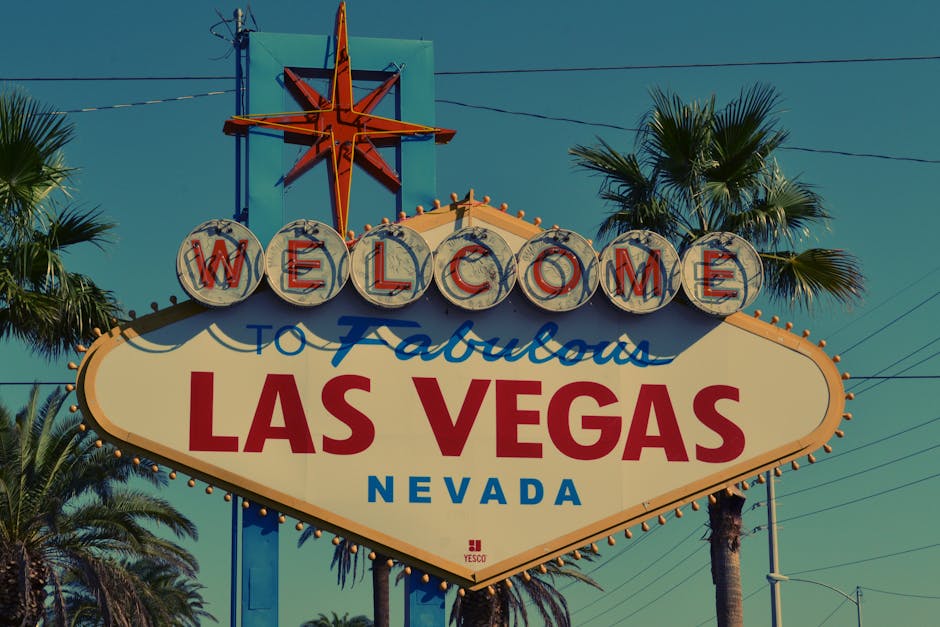
- The iconic Welcome to Fabulous Las Vegas sign (1959) exemplifies signaling arrival to a place unlike any other.
- Each casino’s marquee aimed to outshine the next—both literally and figuratively.
- Architectural styles combined Googie futurism, glass curtain walls, and roadside-friendly designs that told guests they were in for a thrill.
According to detailed research found on Fifties Web, this era’s neon conventions didn't just advertise—they broadcasted Las Vegas’s identity nationally and globally.
Showrooms and Production Shows: Las Vegas’s Celebrity Nightlife
The 1950s and 1960s also define classic Vegas by the caliber of entertainment that transformed the city into the place to see—and be seen.
Showrooms were the epicenter of celebrity nightlife. Legends like Frank Sinatra, Dean Martin, and Elvis Presley graced stages that had costumes, lighting, and live orchestras designed to dazzle.
The famous Rat Pack’s association with the Sands Hotel and Casino epitomizes the melding of celebrity, gambling, and sophisticated fun. Audiences didn’t just come to see shows; they came to immerse themselves in an atmosphere of effortless glamour intertwined with the thrill of chance.
Si.edu’s archives reveal that production shows were elaborately choreographed events often crafted specifically for Las Vegas’s audience. This was not simple lounge music but high-production-value extravaganzas, where spectacle was king.
Clearing Up a Common Mistake: The Myth of Complete Historical Documentation
When exploring classic Vegas through old brochures or museum materials, it’s important to understand what you aren’t seeing as clearly as you might expect:
- No ticket prices: Unlike today’s transparent show pricing, many vintage programs and advertisements simply listed shows without specific costs, likely because prices varied or were considered negotiated on location.
- No room rates: Hotel and suite prices stayed flexible, aimed to draw a wide range of visitors but seldom fixed in old print ads.
- No exact show schedules: Performance times could fluctuate radically depending on demand and celebrity availability.
Whether you’re browsing digital archives on Smithsonian or vintage Las Vegas fan sites, keep in mind these absences. They remind us that classic Vegas was as much about atmosphere and experience as it was about details—a hallmark of live entertainment before the internet age.
Why Does This Still Matter Today?
Modern casinos and entertainment venues like those shown off on sites like MrQ casino embrace a slick, digital-first approach to gambling and gaming. But the DNA of the 1950s and 1960s Vegas Strip runs deep. That era laid the foundation for the integrated resort experience we associate with Vegas today: not just spinning the roulette wheel but booking a dinner show, staying in luxe rooms, and seeing famous entertainers—all in one place.
In an era flooded with the generic label of “vintage,” the mid-century Strip identity deserves precision. The resort boom, neon spectacle, and show business ingenuity uniquely define classic Vegas and shaped the entertainment capital’s enduring mythos.
Summary
Main Factor Importance for Classic Vegas Identity Timeframe Example Postwar Resort Boom Marked shift from gambling hub to all-in-one destination 1946 (El Rancho Vegas opening) Neon Signage & Architecture Created visual identity that became synonymous with Vegas 1959 (Welcome Sign) Showrooms & Celebrity Nightlife Drew stars and audiences to create nightlife spectacle Early 1960s (Rat Pack era) Documentation Gaps Remind us historic experience was more intangible than exact 1950s-1960s (Lack of ticket pricing)In sum, the 1950s and 60s Las Vegas Strip was a masterclass in crafting an entertainment identity that balanced spectacle, celebrity, and place. These years remain the benchmarking era for the classic Vegas we all think we know.