What Made The Sands One of the Most Talked About Vegas Hotels
When the postwar resort boom hit the Las Vegas Strip in the early 1950s, few venues captured the public imagination like the Sands Hotel and Casino. Opened in 1952, the Sands quickly became more than just a place to sleep or gamble; it was a pulsating cultural hub where neon-lit architecture, boundary-pushing production shows, and the charisma of the Rat Pack fostered a mythology that endures today. If you’ve ever researched the Sands, perhaps through Smithsonian Archives (si.edu) or gaming platforms like MrQ Casino, you’ve encountered fragments of this lasting allure.
The Postwar Resort Boom on the Strip
The early 1950s marked a transformative era for Las Vegas and its famed Strip. The end of World War II unleashed pent-up leisure demand among Americans. Veterans had disposable income, and the expanding highway system made Vegas an easier drive from the west coast and beyond. Between 1945 and 1960, several resorts sprang up, catering to an emerging market that craved more than just a desert gambling pit. These resorts promised the sun-soaked glamour of California beaches mixed with the unmistakable desert ambiance.
Among this wave, the Sands stood out because it wasn’t just a hotel; it was positioned as a full entertainment ecosystem. While others emphasized gambling or purely lodging experiences, the Sands married luxury accommodations with a nonstop schedule of headliner shows and a dedicated space for high-profile entertainers.
Neon Signage and Attention-Grabbing Architecture
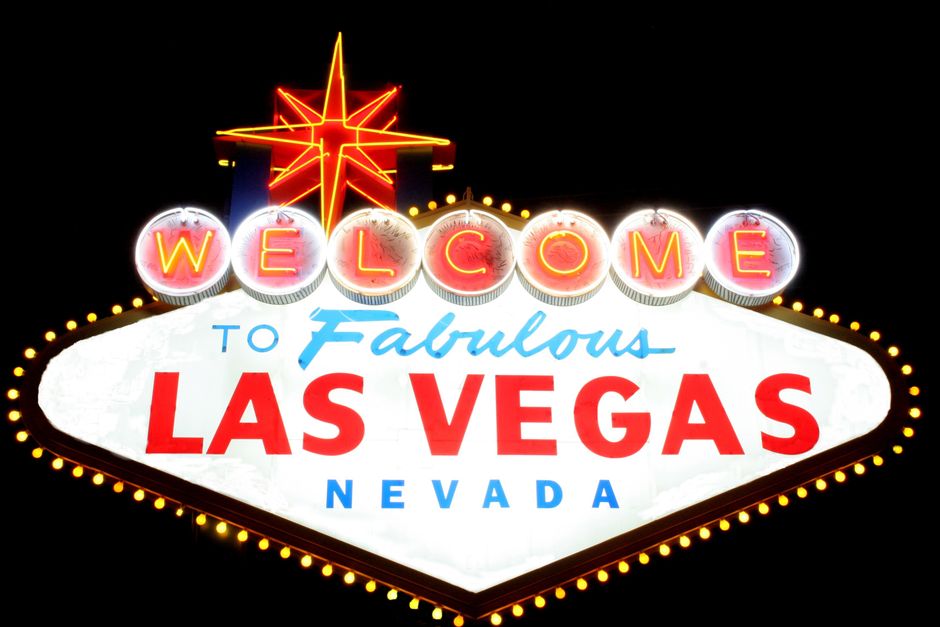
Any serious history of the Sands must start with its signature neon presence. The Strip’s neon was, and remains, a language of Texas-sized signs flashing promises at passing motorists and visitors on foot. The Sands’ neon sign became a landmark by https://dlf-ne.org/how-vegas-style-and-fashion-changed-the-way-people-behaved/ the mid-1950s. Its bold lettering, dazzling light bulbs, and the iconic logo became synonymous with Vegas cool.
Architecturally, the Sands leaned into a style that was sleek but approachable—Mid-century modern with a desert twist. It was neither too ostentatious nor minimalist, but just enough to catch the eye while siding with the era’s embrace of glamour. The building, alongside its sprawling pool area, lounges, and showrooms, turned the resort into an all-in-one destination where one could gamble, dine, relax, and be entertained without leaving the premises.

Resorts as All-In-One Entertainment Ecosystems
The phrase “all-in-one entertainment ecosystem” might sound like marketing speak today, but it was a precise description of what the Sands and its contemporaries pioneered on the Strip. Instead of forcing guests outside for shows or dining, these resorts cultivated an environment where everything was under one roof—or at least on connected property.
This convenience was crucial because it meant guests spent more time—and money—on-site. People would arrive to gamble, catch a show, enjoy cocktails in a lounge, then stay for late-night dining and dancing. The Sands understood this customer journey intimately. Its lobby wasn’t just a place to check in; it was a stage for socializing and spectacle.
The Copa Room: A Showroom That Became Legendary
Central to the Sands’ mythology is the Copa Room. Named to evoke the charm and sensuality of the famous Copacabana nightclub in New York, the Copa Room was much more than a performance hall. It was where legends were made. This intimate showroom seated just under 500 guests, creating an electric atmosphere that suited the style and swagger of its acts.
Here, show producers and entertainers innovated with staging, lighting, and audience interaction. The Copa Room set a blueprint for showroom design on the Strip, balancing exclusivity with accessibility. It was big enough to attract superstar names yet small enough for performers to connect with their audience.
Sands Mythology: Rat Pack Shows and Celebrity Culture
No discussion of the Sands Hotel is complete without referencing the Rat Pack shows that defined much of its mid-century allure. Frank Sinatra, Dean Martin, Sammy Davis Jr., Joey Bishop, and Peter Lawford regularly performed together at the Sands, turning it into the unofficial headquarters of their brand of cool.
These shows delivered more than music—they introduced a kind of swagger and irreverence that echoed the shifting social moods of the 1950s and 60s. The Pack’s manager, Blasé Babette “Bubbles” Betts, famously curated these performances with a mix of comedy, music, and impromptu antics that left audiences buzzing long after the shows ended.
Importantly, the packs’ shows became a vital marketing tool for the Sands itself. The hotel’s association with these celebrities elevated its status far beyond the Strip and into national headlines. Combined with the Sands’ strategic public relations, it fueled a nonstop news cycle that newspapers, magazines, and early television eagerly covered.
Additional infoClarifying Common Misconceptions About The Sands
Among the many retellings of the Sands story, there are several recurring inaccuracies. A notable one is the belief that exact ticket prices, room rates, or detailed show schedules from the Sands’ heyday are widely available. They’re not.
Resources such as Fifties Web provide valuable context for the era, but price details often vary by source, reflecting a lack of comprehensive archival data. Slotting exact figures into the narrative risks turning history into a brochure rather than thoughtful examination. The Sands was continually adjusting rates and schedules depending on season, the headliners booked, and economic conditions.
This fluidity was part of what made the Sands such a dynamic entity rather than a static attraction. Visitors knew the experience would be memorable but also unique each time. It was less about fixed menus or prices and more about the overall vibe and opportunity.
Conclusion
The Sands Hotel and Casino’s legendary status is no accident. It rose during a pivotal moment in Las Vegas history when resorts transitioned from mere gambling halls to multifaceted entertainment ecosystems. With its bold neon signage, strategic development of the Copa Room showroom, and the magnetism of the Rat Pack shows, the Sands created a mythology still celebrated by historians and entertainment fans alike.
For those piecing together the Sands’ story, credible sources like the Smithsonian, industry-focused websites such as MrQ Casino, and thorough retro-era archives like Fifties Web offer valuable insights without overstating or romanticizing.
The Sands remains a benchmark for understanding how midcentury Las Vegas reinvented itself and shaped the modern Strip—making the hotel less an artifact and more a continuing influence in entertainment business and nightlife culture.