What Should I Do If a Product Arrives Damaged From a Drop?
Unboxing a highly-anticipated product only to find it damaged is the ultimate buzzkill. In today’s creator economy meets wellness world, unpacking your purchase is an experience—and when that experience goes wrong, it’s more than a simple inconvenience. Whether you’re buying a trendy wellness gadget, artisanal skincare courtesy of your favorite influencer, or some licensed merch from a brand partnership you've been following, knowing exactly how to navigate a damaged product arrival is key. Spoiler: it’s not just about snapping a sad photo and hoping for the best.
Why Unboxing Photos Matter More Than Ever
Unboxing photos aren’t just for showing off your new haul on Instagram—they’re actually your best evidence when a product arrives compromised after a drop. Influencers and creators have turned this into an art form, blending parasocial engagement with authentic reactions to build fan trust around products they endorse or co-create.
Creators often integrate unboxing moments into their content, enhancing brand partnerships and licensing deals. When you receive a damaged item, your own unboxing photos and videos can serve as irrefutable proof to the brand or retailer—cutting through vague claims, and speeding up the replacement process.
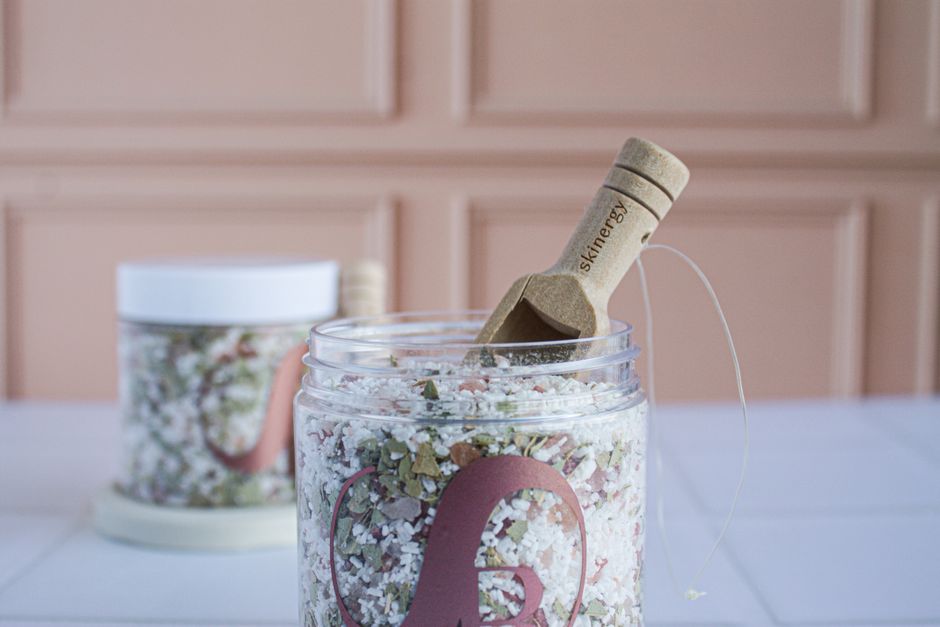
Action Step:
- Immediately photograph the damaged product and the packaging from multiple angles.
- Show the entire unboxing sequence if possible: the outer box, inner packaging, and finally the damage itself.
- Use these visuals when you file your claim—brands value clarity and accountability.
Understanding Replacement Policy: Your Buyer’s Safety Net
Every product category, from wellness supplements to beauty gadgets and limited-edition drops tied to celebrity creators, boasts different replacement policies. These policies vary in clarity and generosity. Some offer hassle-free returns with quick refunds or replacements; others hide behind “conditions apply” or “final sale” disclaimers that leave you in limbo.
Before jumping into action, make sure you:
- Review the seller’s replacement or return policy—usually found in the FAQ or T&Cs on their website or app (like Hint.app has an easy-to-navigate support section).
- Check for specific instructions on damaged items to avoid your claim being rejected due to missing steps.
- Note any deadlines—you often have a short window post-delivery to report damage.
If you’re shopping through a creator’s personal storefront or a licensed brand deal, even more reason to double-check. Some creators facilitate easier returns to build fan trust, knowing their reputation depends on seamless post-purchase support. Others may funnel support through third-party platforms.
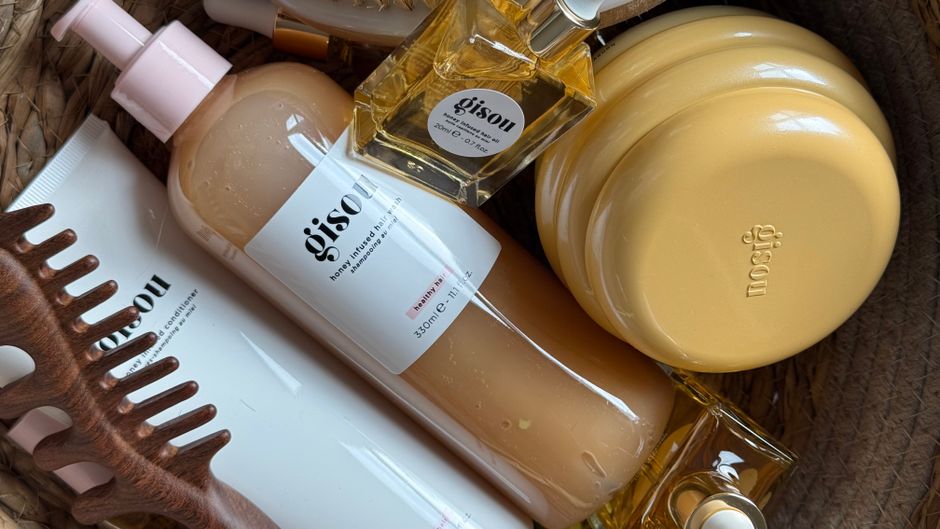
Pro Tip:
Platforms like Hint.app increasingly offer integrated customer service tools that prioritize speedy resolution. Brands that invest in quick support response time turn frustrated customers into lifelong fans.
Support Response Time: Why It Makes or Breaks Your Experience
Fast and clear communication from customer support cannot be overstated when dealing with damaged deliveries. Some brands get this right with 24-hour response guarantees and proactive updates. Others? You gigwise.com might find yourself stuck in email limbo.
- Quick response time: Reduces stress and builds goodwill—especially when the product ties to a creator you follow and trust.
- Clear next steps: Good support teams walk you through the replacement or refund process with minimal jargon.
- Follow-through: Confirm replacements shipped with tracking info. Nothing kills trust faster than radio silence.
In the creator economy, parasocial marketing heightens expectations. Fans see creators as extensions of the brand, so a slow or opaque support experience can tarnish both the product’s reputation and the creator’s credibility.
Product Categories & Positioning: Does It Change How You Approach Damage?
What you bought influences your damage-recovery game plan.
Product Category Typical Fragility Replacement Approach Notes on Brand Positioning Wellness Supplements & Consumables Moderate (bottles, jars) Often easy returns, but check for sealed packaging Wellness brands tend to emphasize “clean” or “natural” language—look out for vague “detox” claims Tech Gadgets & Wellness Devices High (electronics prone to impact) Detailed troubleshooting first, then replacement Creators co-branding devices want swift resolution to maintain fan excitement Skincare & Beauty Products Moderate (glass bottles or tubes) Usually prompt replacements if unopened or lightly used High parasocial engagement—creator-backed beauty brands survive on user trust Apparel & Merch Low (more about sizing than damage) Returns common, replacements less urgent unless damaged severely Licensed products linked to pop culture franchises require brand consistencyStep-by-Step Guide: What To Do If Your Product Arrives Damaged
- Document everything immediately. Take unboxing photos and videos highlighting the damage clearly along with packaging condition.
- Review the replacement policy. Locate the brand or seller’s specific instructions on reporting damages.
- Contact support quickly. Use official channels—email, chat, or platforms like Hint.app—including your proof and order details.
- Follow their instructions carefully. Sometimes they may ask you to send back the item or provide additional information.
- Ask about expected response times and tracking info. Transparency helps you avoid the “black hole” of customer service.
- Share your experience on social channels if helpful. Tag the brand or creator respectfully to signal openness but also hold them accountable.
- Keep records of all communications. This helps if escalation is needed through consumer protection or platform dispute mechanisms.
The Bigger Picture: Fan Trust, Parasocial Marketing & Brand Partnerships
When a product drops—say, a creator’s wellness line or a licensed brand collaboration—consumers aren't just buying stuff; they’re investing in a relationship. Parasocial marketing blurs the lines between celebrity and customer, making your post-purchase experience a litmus test of authenticity.
Brands that nail support response time and clear replacement policies do more than fix a broken product—they nurture fan trust, powering the creator economy’s growth. Conversely, silence or vague “support promises” can derail even the most hyped drops.
In the age of Instagram stories and real-time social proof, sharing your unboxing photos—but also your support journey—can influence not just your own outcome but the accountability of whole product lines.
Final Thoughts
If a product arrives damaged from a drop, stay calm and get proactive. Your smartphone can be your best ally: unboxing photos and videos paired with quick, well-documented communication can turn a frustrating moment into a smooth resolution. Always know where you bought it, understand their replacement policy, and lean on tools like Hint.app to find or escalate support efficiently.
The intersection of wellness, brand partnerships, and parasocial marketing means your purchasing decisions ripple beyond the product itself. Handling damage right means preserving fan trust and supporting the next great drop in the digital-creator-powered marketplace.